
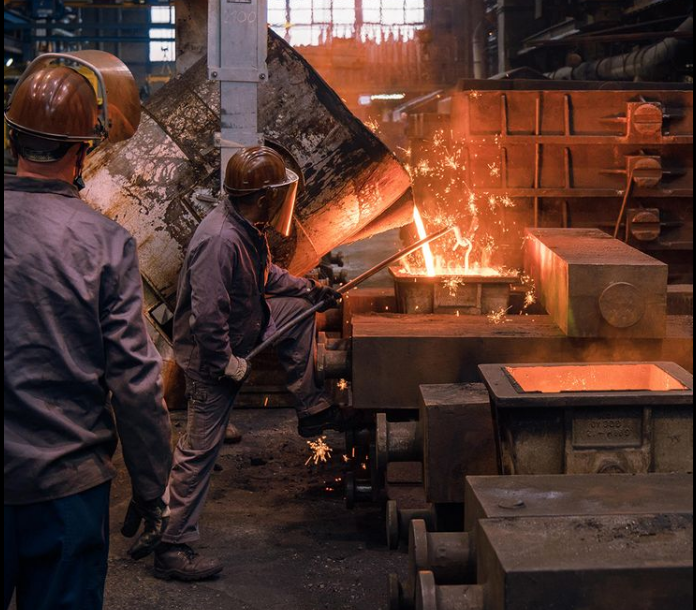
Every foundry owner knows the feeling. You’re running the floor, chasing numbers, and managing the whole process and somehow still flying blind.
The 5 AM Problem
Chaitanya Singhal, Owner of Shree Hanuman Iron Works, used to start his mornings walking the factory floor ,not to inspire his team, but just to figure out how much raw material was left.
No dashboard could tell him. No report was reliable. Every department had its own Excel file, its own version of the truth, and its own set of errors.

“We had all the data, but it wasn’t information. It was scattered in separate Excel files,” says Mr. Chaitanya Singhal, Owner, Shree Hanuman Iron Works.
When Frustration Becomes a Decision
There was no single breaking point. It was months of mismatched numbers, customer miscommunications, and bloated WIP stock that nobody could explain.
1. Inaccurate heat costing was eating into margins.
2. Excess work-in-progress was locking up working capital.
3. And every time something went wrong, the team spent more time finding who had the latest spreadsheet than actually fixing the problem.
“One day I just said: enough. We need to find a way out of this.”
Why Most ERP Implementations Fail — And What BTW Did Differently
Most vendors hand you software and wish you luck.
BusinessThat.Works started with something most ERP companies skip entirely ,the people and the process.
Before a single screen was configured, the BTW team ran factory-floor workshops with every department. They mapped how work actually happened versus how it was supposed to happen. They found process gaps that even Chaitanya hadn’t noticed in years of running the business.
“I realized ERP isn’t just tech. People and process come first — that’s what the BTW team helped us fix.”
Only then did they build the ERPNext system around the processess of Shree Hanuman Iron Works.
What Changed on the Ground
The new system wasn’t just installed , it was adopted. Here’s what the team got:
- Unified dashboards — one source of truth across every department
- Heat-wise costing and traceability — know the exact cost of every pour
- Automated MTC generation — test certificates in seconds, not hours
- Role-based access — simple, clean data entry for every team member
The results showed up fast.
| Before ERPNext | After ERPNext | |
|---|---|---|
| Data collection | Manual rounds | Real-time dashboards |
| Costing | Approximate | 100% accurate per heat |
| Staff training | 2–3 weeks | Under 1 hour |
| WIP stock | High | 25% reduction |
| Complaints | Reactive | Traceable to root cause |
“Now I can trace any dispatch from melt to delivery and generate test certificates instantly.”

Within months, the change was visible — and measurable.
Why Foundries Love ERPNext (When Done Right)
Foundries operate on thin margins. Mistakes in costing or yield can make or break profits. Common pain points include:
- Lack of visibility across stages
- Difficulty tracing batches or heats
- Dependency on experienced staff
- Manual costing guesswork
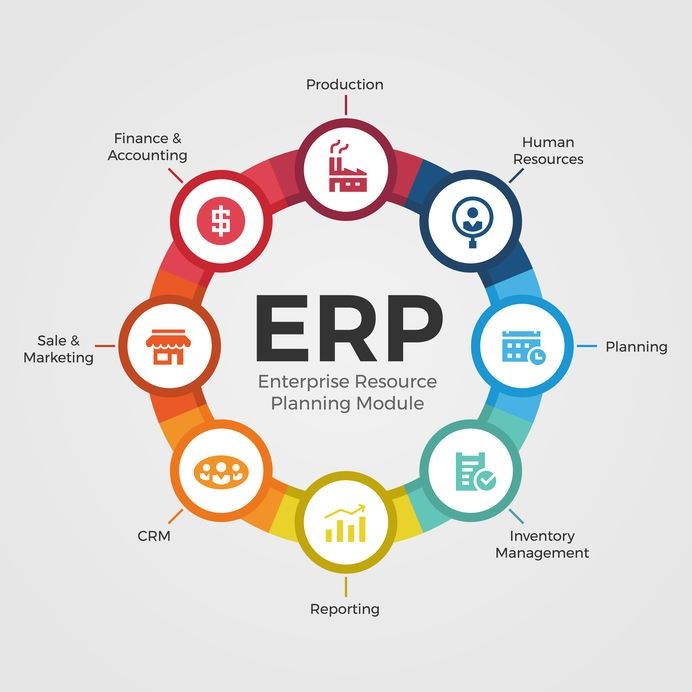
BusinessThat.Works configures ERPNext specifically for foundry and process-based manufacturing, solving these challenges through:
- Automated heat costing and yield tracking
- End-to-end traceability
- Intuitive dashboards that anyone can use
- Real-time data for faster, smarter decisions
“Earlier my team resisted automation. Now they’re the ones asking for more , that’s a big win.”
The Outcome
✅ 100% visibility from melt to dispatch
✅ 25% less blocked capital
✅ Accurate costing, faster decisions
✅ Zero dependency on individual staff
“My entire conception of ERP has changed. It’s not just software , it’s business evolution.”
Final Word
For Shree Hanuman Iron Works, ERPNext didn’t just digitize the foundry , it transformed it.
And that’s exactly what BusinessThat.Works stands for:
Real adoption. Real alignment. Real transformation.
If you’re a foundry or manufacturing SME tired of Excel chaos and manual firefighting .